Learn · Lahiri sidereal
The 27 nakshatras
A nakshatra is one of the 27 equal divisions of the zodiac, each 13°20′ wide, through which the Moon travels in about 27 days. Choose a star to see its ruler, deity, yoni animal, padas and part in Kundali Milan.
What a nakshatra is
The Moon goes once around the sky in about 27⅓ days, so the ancient astronomers marked 27 stations along its path: the nakshatras, or lunar mansions. Each is 13°20′ wide and is divided into four padas of 3°20′. Nine padas make a sign, which is why every sign holds two and a quarter nakshatras. The nakshatra the Moon was in at your birth is your janma nakshatra, and it fixes where your Vimshottari dasha starts.
How the Moon’s nakshatra is found
The Moon’s position is measured on the sidereal zodiac, which is fixed to the stars rather than the seasons. The calculation takes the Moon’s tropical longitude and subtracts the Lahiri ayanamsa, about 24°14′ in October 2026. Dividing what is left by 13°20′ gives the star, counting from Ashwini at 0° Mesha to Revati at the end of Meena. JYOTISH.info does this for your exact time and place, with the astronomy-engine library.
The yoni animals
Each nakshatra also carries a yoni, an animal that the classical texts use to speak about instinct and temperament between two people. In Kundali Milan, Yoni Koota gives four points when partners share an animal and none when their animals are natural enemies, such as the horse and the buffalo. The animals on this page are drawn from the same point-cloud models as the 3D explorer in the app. A yoni is a symbol to reflect on, not a verdict on anyone.
All 27 nakshatras
Open any star for its span in degrees, the rashi it sits in, its four padas with their navamsa signs, and what the classical texts say about a Moon born there.
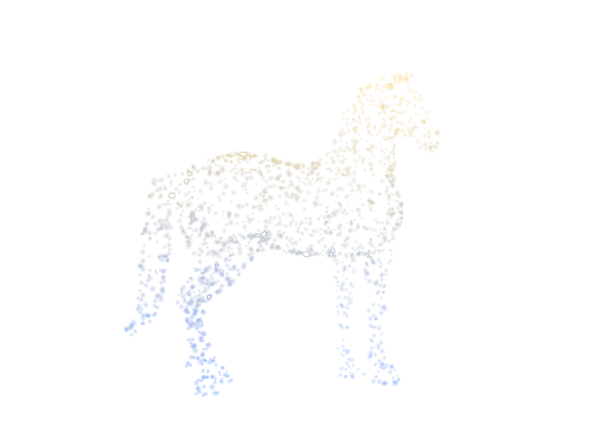 Ashwini0°00′ to 13°20′ MeshaKetu · Horse · Deva
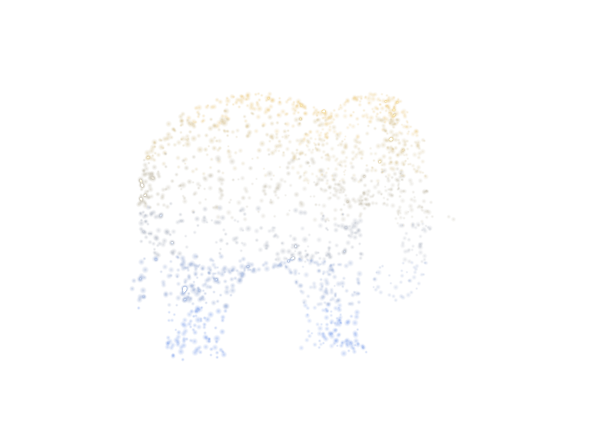 Bharani13°20′ to 26°40′ MeshaShukra · Elephant · Manushya
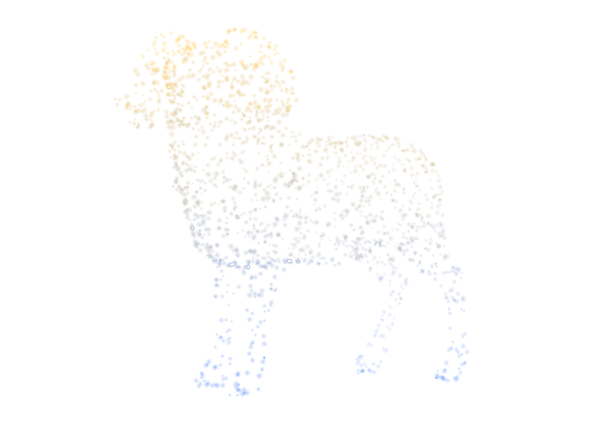 Krittika26°40′ Mesha to 10°00′ VrishabhaSurya · Sheep · Rakshasa
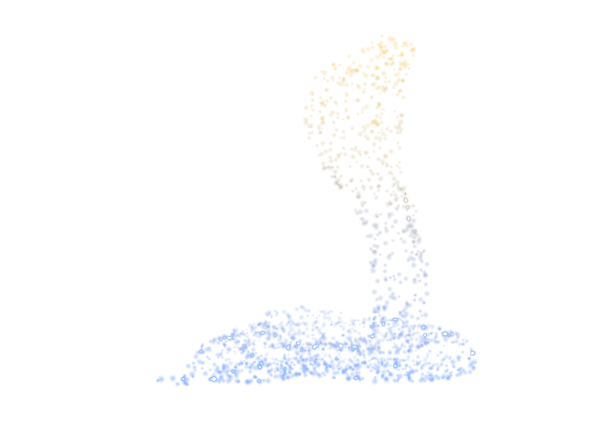 Rohini10°00′ to 23°20′ VrishabhaChandra · Serpent · Manushya
- Mrigashira23°20′ Vrishabha to 6°40′ MithunaMangal · Serpent · Deva
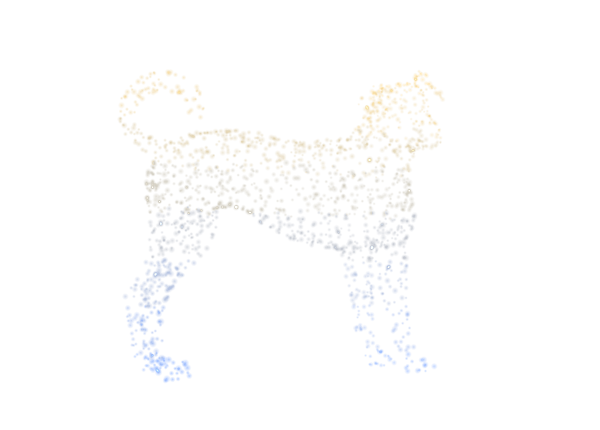 Ardra6°40′ to 20°00′ MithunaRahu · Dog · Manushya
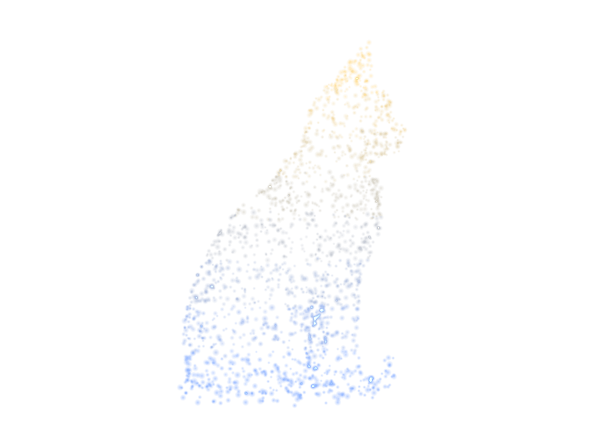 Punarvasu20°00′ Mithuna to 3°20′ KarkaGuru · Cat · Deva
- Pushya3°20′ to 16°40′ KarkaShani · Sheep · Deva
- Ashlesha16°40′ to 30°00′ KarkaBudha · Cat · Rakshasa
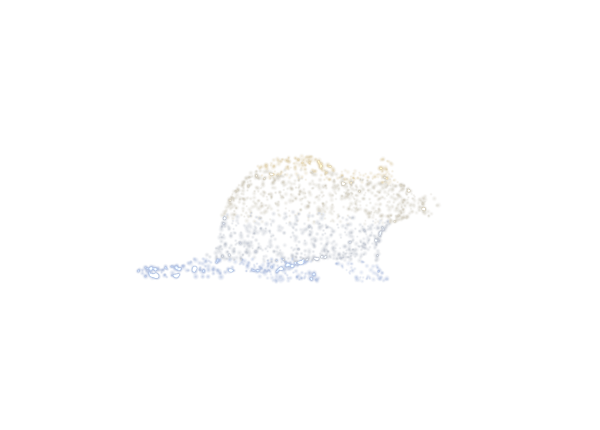 Magha0°00′ to 13°20′ SimhaKetu · Rat · Rakshasa
- Purva Phalguni13°20′ to 26°40′ SimhaShukra · Rat · Manushya
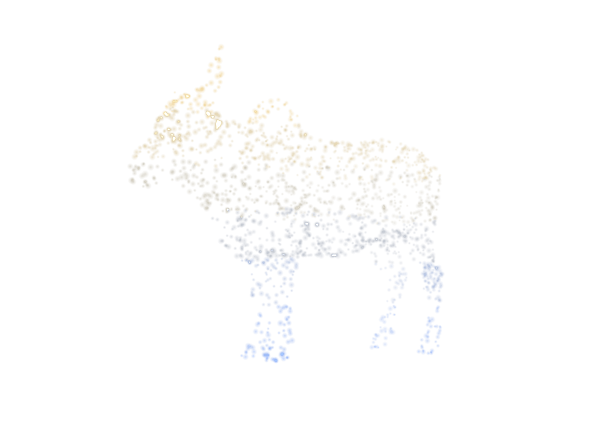 Uttara Phalguni26°40′ Simha to 10°00′ KanyaSurya · Cow · Manushya
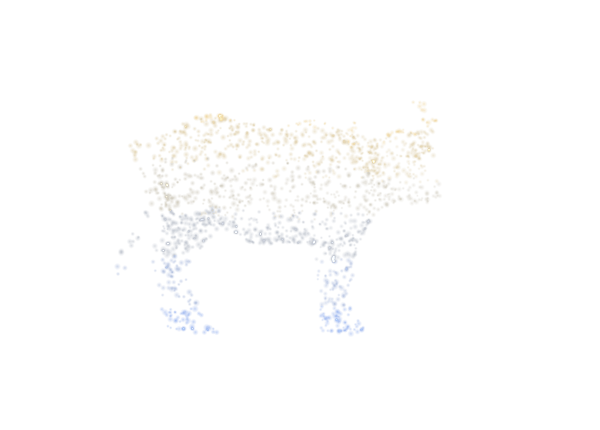 Hasta10°00′ to 23°20′ KanyaChandra · Buffalo · Deva
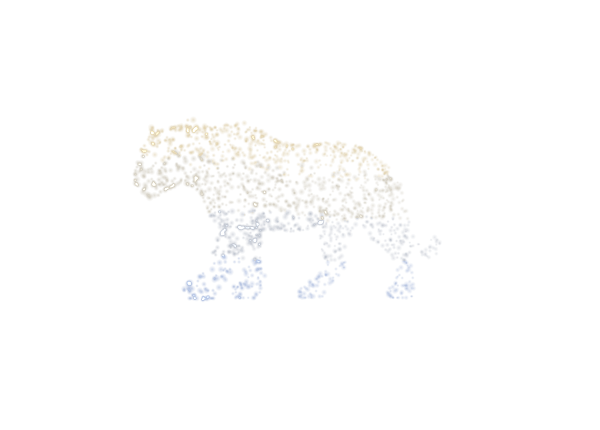 Chitra23°20′ Kanya to 6°40′ TulaMangal · Tiger · Rakshasa
- Swati6°40′ to 20°00′ TulaRahu · Buffalo · Deva
- Vishakha20°00′ Tula to 3°20′ VrishchikaGuru · Tiger · Rakshasa
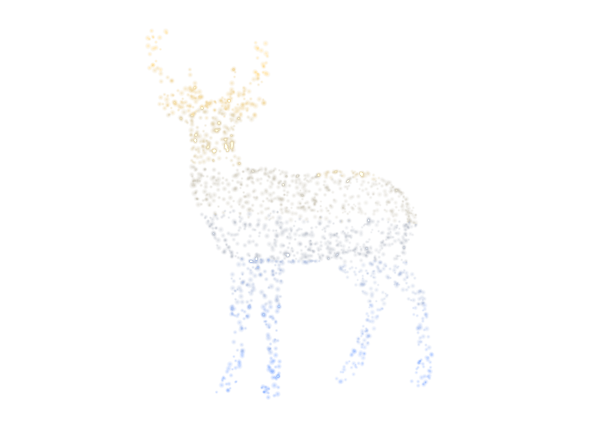 Anuradha3°20′ to 16°40′ VrishchikaShani · Deer · Deva
- Jyeshtha16°40′ to 30°00′ VrishchikaBudha · Deer · Rakshasa
- Mula0°00′ to 13°20′ DhanuKetu · Dog · Rakshasa
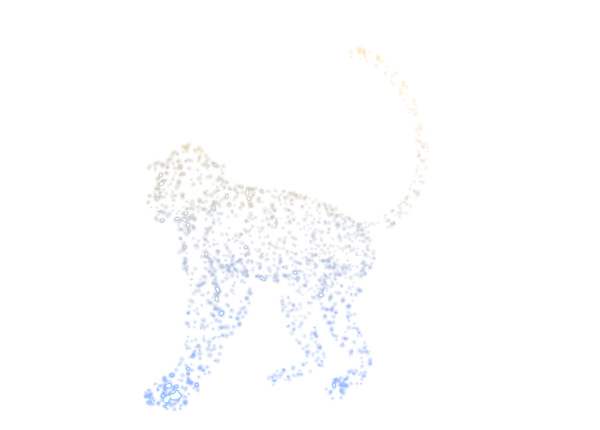 Purva Ashadha13°20′ to 26°40′ DhanuShukra · Monkey · Manushya
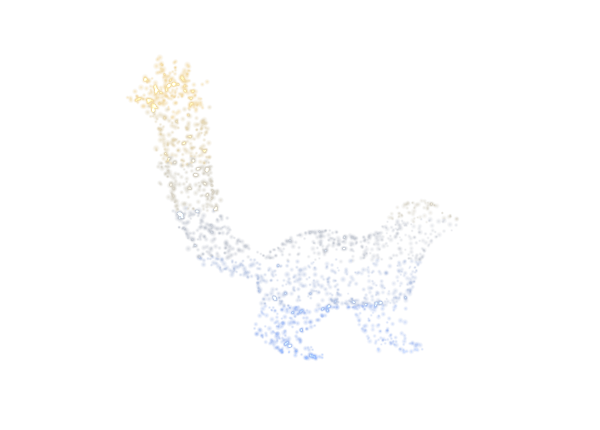 Uttara Ashadha26°40′ Dhanu to 10°00′ MakaraSurya · Mongoose · Manushya
- Shravana10°00′ to 23°20′ MakaraChandra · Monkey · Deva
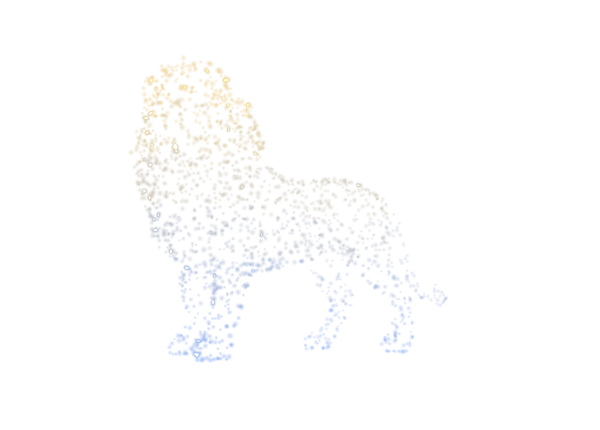 Dhanishtha23°20′ Makara to 6°40′ KumbhaMangal · Lion · Rakshasa
- Shatabhisha6°40′ to 20°00′ KumbhaRahu · Horse · Rakshasa
- Purva Bhadrapada20°00′ Kumbha to 3°20′ MeenaGuru · Lion · Manushya
- Uttara Bhadrapada3°20′ to 16°40′ MeenaShani · Cow · Manushya
- Revati16°40′ to 30°00′ MeenaBudha · Elephant · Deva
| Yoni (animal) | Nakshatra | Natural enemy |
|---|---|---|
| Horse | Ashwini, Shatabhisha | Buffalo |
| Elephant | Bharani, Revati | Lion |
| Sheep | Krittika, Pushya | Monkey |
| Serpent | Rohini, Mrigashira | Mongoose |
| Dog | Ardra, Mula | Deer |
| Cat | Punarvasu, Ashlesha | Rat |
| Rat | Magha, Purva Phalguni | Cat |
| Cow | Uttara Phalguni, Uttara Bhadrapada | Tiger |
| Buffalo | Hasta, Swati | Horse |
| Tiger | Chitra, Vishakha | Cow |
| Deer | Anuradha, Jyeshtha | Dog |
| Monkey | Purva Ashadha, Shravana | Sheep |
| Mongoose | Uttara Ashadha | Serpent |
| Lion | Dhanishtha, Purva Bhadrapada | Elephant |
Questions people ask
How many nakshatras are there?
Twenty-seven in the common system, each 13°20′ wide, from Ashwini to Revati. Some texts add a 28th, Abhijit, a short interval between Uttara Ashadha and Shravana; the Vimshottari dasha and Kundali Milan use the 27.
What is a pada?
A pada, meaning a foot, is a quarter of a nakshatra and 3°20′ wide. Each pada falls in one navamsa sign, which is how a nakshatra connects to the navamsa chart (D9).
How do I find my nakshatra?
It is the nakshatra the Moon was in when you were born, so it needs your date, time and place of birth. The free kundali on JYOTISH.info shows it with the pada. Without a birth time the result can be off by one, because the Moon changes nakshatra about once a day.
Why does another site show a different nakshatra?
Nearly always because of the zodiac or the ayanamsa. Western, tropical positions run about 24° ahead of sidereal ones, and a different ayanamsa setting can move a Moon that sits within a degree or two of a boundary into the neighbouring star. JYOTISH.info uses Lahiri, the standard adopted by the Government of India in 1955, and says so on every page.
What does the yoni animal mean?
In the classical texts the yoni animal stands for instinct and physical ease between two people. In Kundali Milan it is one of eight kootas worth 4 of the 36 points. It is a symbol for reflection, and it is never a verdict on a person or a couple.
Is the nakshatra the same as the rashi?
No. A rashi is a 30° sign and a nakshatra is a finer 13°20′ division, so a sign holds two and a quarter of them. The Moon sign is read first, and the nakshatra inside it adds detail and sets the dasha.
Every position on this page is calculated sidereal with the Lahiri ayanamsa from the astronomy-engine library (MIT licence). The classical texts describe tendencies; this page is for guidance and reflection, not a verdict, and no outcome is promised. How we calculate. This is the English page and the legal reference. The same page is available in Hindi. Checked October 2026.