Nakshatra 21 of 27 · Lahiri sidereal
Uttara Ashadha Nakshatra
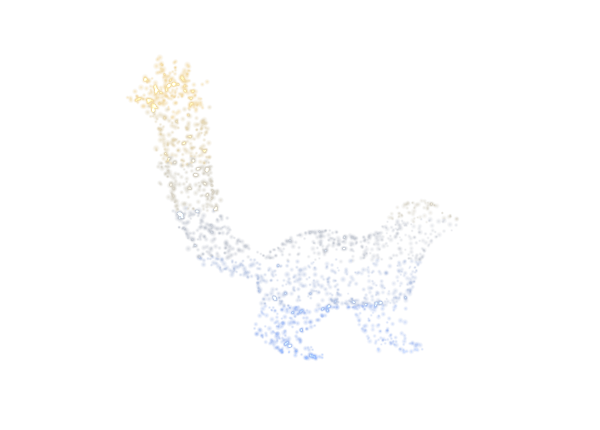
Uttara Ashadha is nakshatra 21 of the 27, spanning 26°40′ Dhanu to 10°00′ Makara of the sidereal zodiac. Its ruler is Surya, its deity the Vishvedevas, universal gods, its symbol an elephant's tusk, and its yoni animal the Mongoose.
At a glance
- Span (sidereal)
- 26°40′ Dhanu to 10°00′ Makara
- Ruling planet
- Surya · Vimshottari dasha of 6 years
- Deity
- The Vishvedevas, universal gods
- Symbol
- An elephant's tusk
- Gana
- Manushya
- Yoni (animal)
- Mongoose (natural enemy: Serpent)
- Nadi
- Antya
What Uttara Ashadha is like
Uttara Ashadha, ‘the later invincible one’, is the star of lasting victory. The Vishvedevas, the universal gods, preside over it and Surya (the Sun) rules it, so principle and leadership go together. It spans the end of Dhanu and the start of Makara. The symbol is an elephant’s tusk or the planks of a bed.
Born with the Moon in Uttara Ashadha
With the Moon here you are principled, steady and willing to play the long game. Your wins may come later, but they last because they were earned. Public service, engineering, management and any field that rewards integrity can suit you. Allowing yourself rest and lightness along the way is the growth.
In short: Principled and steady — your victories may come later, but they last because they are earned. A useful growth area: allowing yourself rest and lightness along the way.
Surya rules Uttara Ashadha, so a Moon here means birth in the Surya mahadasha, 6 years in all. How much of it remains depends on how far the Moon had travelled through the star. The Vimshottari sequence then moves on to Chandra.
Deity and symbol
The Vishvedevas are a company of gods who together stand for every power of the world, and in Vedic rites they are invited to share the offering. The tusk is a lasting thing carried with dignity.
The symbol of Uttara Ashadha is an elephant's tusk, and its deity is the Vishvedevas, universal gods.
Padas and navamsa signs
Each nakshatra has four padas of 3°20′, one ninth of a sign each. The pada your Moon was in gives its navamsa (D9) sign. The four padas of Uttara Ashadha are:
| Pada | Degrees | Moon sign | Navamsa |
|---|---|---|---|
| 1 | 26°40′ – 30°00′ | Dhanu | Dhanu |
| 2 | 0°00′ – 3°20′ | Makara | Makara |
| 3 | 3°20′ – 6°40′ | Makara | Kumbha |
| 4 | 6°40′ – 10°00′ | Makara | Meena |
So the first pada of Uttara Ashadha falls in Dhanu navamsa and the last in Meena.
Uttara Ashadha in Kundali Milan
As a partner Uttara Ashadha is faithful and responsible, and appreciates someone who values commitment and long-term plans.
In Ashtakoot matching, Uttara Ashadha brings a Mongoose yoni, Manushya gana and Antya nadi. Yoni Koota (4 points) is full when both partners share an animal and 0 when their animals are natural enemies; the Mongoose’s natural enemy is the Serpent. Nadi Koota (8 points) scores 0 when both share a nadi. These are parts of one comparison, never a verdict on a couple.
Questions people ask
Which rashi does Uttara Ashadha nakshatra fall in?
Uttara Ashadha spans two signs: 26°40′ Dhanu to 10°00′ Makara. Which Moon sign you have depends on the pada your Moon was in at birth: pada 1 are in Dhanu, and padas 2–4 in Makara.
Who rules Uttara Ashadha, and which dasha does it start?
Surya rules Uttara Ashadha. A person born with the Moon in Uttara Ashadha starts the Vimshottari sequence in the Surya mahadasha (6 years in all), counted from the balance left at birth, and then moves on to Chandra.
What is the yoni of Uttara Ashadha, and what does it mean in Kundali Milan?
The yoni of Uttara Ashadha is the Mongoose, the only nakshatra that carries this animal. Yoni Koota scores 4 of 4 when both partners’ animals match and 0 when they are natural enemies (Mongoose and Serpent); other pairs score between 1 and 3. In the classical texts yoni speaks of instinct and physical ease between two people; it is one of eight kootas.
Is Uttara Ashadha a good or a bad nakshatra?
Neither. The classical texts do not rank nakshatras as good or bad for a person; each has its own character, strengths and growth areas. For Uttara Ashadha the texts speak of principled and steady — your victories may come later, but they last because they are earned. The growth area: allowing yourself rest and lightness along the way.
How do I find my nakshatra?
Your birth nakshatra is the one the Moon was in when you were born, so it needs your date, time and place of birth. The free kundali on JYOTISH.info shows it with the pada, using the Lahiri ayanamsa. The Moon changes nakshatra about once a day, so without a birth time the nakshatra can be uncertain, and the app marks it as approximate.
What are the symbol and deity of Uttara Ashadha?
The symbol is an elephant's tusk, and the deity is the Vishvedevas, universal gods. The classical texts link the qualities of the deity to the character of the star.
Every position on this page is calculated sidereal with the Lahiri ayanamsa from the astronomy-engine library (MIT licence). The classical texts describe tendencies; this page is for guidance and reflection, not a verdict, and no outcome is promised. How we calculate. This is the English page and the legal reference. The same page is available in Hindi. Checked October 2026.